

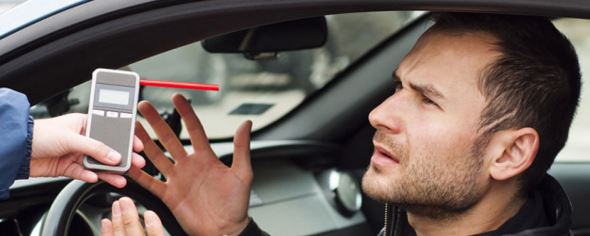
DUI REFUSAL
|
|
There are three main standard field or physical coordination tests that authorities will administer as to further testing. These sobriety tests will include the horizontal gaze test, the standing test, and the walking and turning test. There is no legal penalties for refusing to take these types of tests, but the officer can testify to your refusal of these tests in court. The blood test refusal does carry legal penalties and fines.
If the police officer suspects that you have been driving under the influence, then there are implied consent laws that require you to take a chemical test or blood, breath, or urine test to determine the blood alcohol content for you. The implied consent laws state by just driving the auto on the road, then you are agreeing to submit to a chemical test. The implied consent laws vary from state to state about what test is required and the best time the test should be given, but each state has them. All states require that you must take these tests. In some states, the chemical test is given during a certain time frame and it is usually just within a few hours of the time that you were pulled over driving. Even if you decided to take the test after that time, then you may still be charged guilty of the DUI because time matters seriously in this situation and even if you cannot be charged with having the blood alcohol level over .08 percent, which is the legal limit for those 21 years of age or older, then you could still be charged with the DUI just based on the police officer’s observations recordings of the impairment. If you have refused to take the test, then you will face serious heavy penalties and fines and worse than if you were being found guilty as the result of the test. These penalties will also vary by each state and they will include a mixture of a fines, jail time, drivers license suspension, and the required use of an ignition interlock device that must be used for starting your auto every time you plan to drive. When your DWI or DUI case goes to trial, then the prosecution will use your refusal of testing against you. For these reasons, it will prove no good to refuse any test, because the outcome can be critical. If you have been accused of these crimes, then you would greatly benefit from seeking legal aid, advice, and representation to help reduce the fines, penalties, charges, jail time, and more. It will be well worth the price you pay for an attorney or lawyer to help you get your life back on the right track again. When you make the first contact or call to the DUI lawyer then you will be provided a free consultation to help determine your legal needs. These attorneys charge affordable fees for their legal services and protecting your legal rights. DUI Lawyers in Elkhart, Indiana: Protecting Your Rights After a DUI Arrest Being charged with driving under the influence can be one of the most stressful experiences a person faces. A DUI conviction in Indiana can lead to serious penalties including fines, license suspension, higher insurance rates, and even jail time. If you have been arrested for DUI in Elkhart, Indiana, it is important to work with experienced DUI lawyers who understand Indiana law and know how to protect your rights throughout the legal process. DUI charges are not always straightforward. Police officers must follow proper procedures during traffic stops, field sobriety testing, and chemical testing. Any mistake made during the investigation could impact the outcome of your case. Skilled DUI attorneys carefully review every detail, including the legality of the traffic stop, the accuracy of breathalyzer or blood test results, and whether your constitutional rights were violated. An experienced defense strategy may help reduce penalties, dismiss charges, or achieve a more favorable outcome. Indiana has strict DUI laws, and penalties can increase depending on blood alcohol concentration (BAC), prior offenses, or whether an accident occurred. A first-time DUI offense may result in fines, probation, mandatory alcohol education classes, and a suspended driver’s license. Repeat offenses or cases involving injury can carry even harsher consequences. Because of these serious penalties, it is critical to seek legal representation as soon as possible after an arrest. Local DUI lawyers in Elkhart understand the court system, local prosecutors, and Indiana DUI statutes. This local knowledge can make a significant difference when building a defense. Attorneys can negotiate on your behalf, represent you in court hearings, and guide you through the complex legal process step by step. They also help clients understand their legal options and work to minimize the impact a DUI charge can have on employment, family life, and future opportunities. One of the most important reasons to hire a DUI attorney is to protect your driving privileges. Indiana law allows for administrative license suspension after refusing or failing a chemical test. An attorney can assist with challenging the suspension and may help clients obtain specialized driving privileges so they can continue driving to work, school, or medical appointments. Many people assume they must plead guilty after being arrested for DUI, but every case deserves a thorough review. Evidence can sometimes be challenged, and prosecutors may be willing to negotiate reduced charges depending on the circumstances. Having a knowledgeable DUI lawyer by your side ensures that your rights are protected from start to finish. If you or a loved one has been charged with DUI in Elkhart, Indiana, do not wait to seek legal help. Early legal representation can make a major difference in the outcome of your case. Contact a trusted DUI lawyer today to discuss your situation and begin building a strong defense. DUI Refusal FAQ What does DUI refusal mean in Indiana? DUI refusal occurs when a driver refuses to take a chemical test, such as a breath, blood, or urine test, after being lawfully requested by law enforcement during a DUI investigation. Can I refuse a breathalyzer test in Indiana? Indiana’s implied consent law states that drivers automatically consent to chemical testing when operating a vehicle. While you can refuse, doing so may result in immediate penalties. What happens if I refuse a chemical test? Refusing a chemical test can lead to an automatic driver’s license suspension, even if you are not ultimately convicted of DUI. How long is the license suspension for refusal? For a first refusal offense, your driver’s license may be suspended for up to one year. Repeat refusals can lead to longer suspension periods. Can I still be charged with DUI if I refuse testing? Yes. Prosecutors can still pursue DUI charges based on officer observations, field sobriety tests, witness statements, and other evidence. Will refusal help my DUI case? Not necessarily. Refusing a test may limit chemical evidence, but it can also create additional penalties and may be used against you in court. Can I challenge a DUI refusal suspension? Yes. An experienced DUI lawyer may be able to challenge the legality of the stop, the arrest procedures, or whether the officer properly informed you of Indiana’s implied consent laws. What are specialized driving privileges? Specialized driving privileges may allow eligible drivers to continue driving for work, school, or medical needs during a suspension period. Should I contact a DUI lawyer after refusing a test? Absolutely. DUI refusal cases can be complex, and legal representation can help protect your rights and improve your chances of a favorable outcome. How soon should I speak with an attorney? You should contact a DUI lawyer as soon as possible after your arrest or license suspension notice. Early legal action is important for protecting your driving privileges and building your defense. |
y